How to Know When a Tree in Your Yard Must Come Down: Tree Removal in Summerville, SC
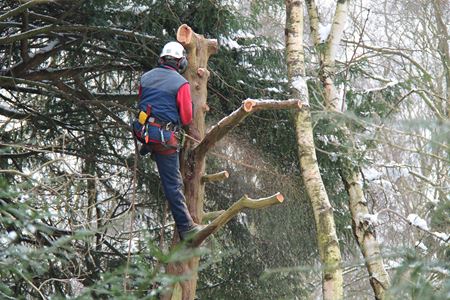
If you’re worried about a tree on your property, you are not alone. Many Lowcountry homeowners ask when concern turns into action for tree removal in Summerville, SC. The answer starts with clear warning signs and a professional eye. When a tree becomes a safety risk or can no longer recover, scheduling trusted tree removal protects your family, home, and neighbors.
Below you’ll learn the major red flags, how local weather raises risk, what pros look for, and the smart next steps to keep your property safe with Branching Out Tree Service.
Tree Removal in Summerville, SC: Clear Signs a Tree Must Be Removed
Trees usually show several clues before failure. If you notice one or more of the issues below, the tree may be unsafe. Some trees can be saved, but others should come down after a professional assessment.
- Sudden lean or new tilt, especially with raised or cracked soil at the base.
- Deep trunk cracks, long vertical splits, or large cavities you can see into.
- Dead or hanging branches over your roof, driveway, or play areas.
- Mushrooms or conks around the root flare, soft or spongy wood, or hollow sounds when gently tapped.
- Persistent dieback in the canopy, thin foliage, or entire limbs without leaves during the growing season.
- Multiple stems with weak, V-shaped unions or included bark where trunks meet.
- Roots lifted from the soil after storms or saturated ground.
Any time you see a heavy limb hanging over living spaces or power lines, do not walk under it. Call a local pro right away for a safety assessment.
How Summerville Weather Makes Risk Worse
Summerville’s climate puts extra pressure on trees. Afternoon thunderstorms, tropical systems, and nor’easter winds can all exploit hidden defects. In neighborhoods like Nexton, Knightsville, and Sangaree, tall pines and water oaks often face saturated soils after long rain events. When soil stays wet, roots grip less. That’s when an ordinary gust can finish what decay started.
Hurricane season runs June through November. After heavy rain or strong winds, a tree that looked fine last week can change fast. If something seems off, trust your instincts and get it checked.
Common Local Trees and What Puts Them at Risk
Every species has typical failure points. Knowing these helps you spot trouble sooner.
- Loblolly and longleaf pines: Prone to snapping or uprooting in high winds when soils are saturated.
- Water oaks and laurel oaks: Fast growers that develop interior decay with age; large limbs can fail without much warning.
- Live oaks: Strong wood, but old pruning wounds or root disturbances near driveways and additions can create weak spots.
- Bradford pears: Brittle branch structure and tight unions make them notorious for splitting during storms.
If a mature tree sits close to your roof, pool enclosure, or neighbor’s fence, even a modest defect can carry higher risk because the “target” is valuable. That’s why pros evaluate both the tree and what’s around it.
What a Professional Assessment Includes
A certified team evaluates risk in a structured way. Expect a visual inspection from the roots to the crown and, when needed, advanced tools to confirm internal decay. Your assessment may include:
Root and base review. Pros look for girdling roots, fungal activity, cavities, and movement in the root plate. Trunk inspection. They check for cracks, seams, open wounds, carpenter ant or borer activity, and soft or hollow areas. Canopy and union checks. The team evaluates branch weight, deadwood, weak unions, and clearance over structures. Site and target analysis. They consider wind exposure, soil moisture, and what could be hit if something fails.
From there you’ll get a plain-language recommendation: monitor, prune, support, or remove. When removal is advised, it’s because the risk outweighs the benefit of keeping the tree.
Timing and Permits: What to Expect
Rules can differ by neighborhood, HOA, and project type in Summerville and nearby towns. Some trees may require approval before removal, especially larger or protected species. Instead of guessing, let Branching Out Tree Service guide you through what applies to your address. We coordinate scheduling, safe removal methods, and clean disposal so the process stays simple.
Why Acting Sooner Is Safer
Delaying does not improve a compromised tree. Defects usually spread, making removal more complex later. Acting early helps you choose the best timing, protect nearby structures, and avoid urgent storm calls. It also allows crews to plan crane access or specialized rigging if your site needs it.
What Happens During Professional Removal
Every property is different, but safety never changes. The crew will set up a controlled work zone, protect lawns and hardscapes where possible, and use climbing, rigging, bucket trucks, or cranes depending on access and tree size. Sections come down in a set sequence to avoid shock loads. Brush and wood are chipped or hauled away, and stumps can be ground on request. If you want open space for future planting, the team will discuss depth and cleanup so the area is ready for your plans.
When removal is the right call, choosing experienced tree removal keeps the process smooth and reduces surprises.
Storm-Damaged or Suddenly Leaning Trees
If a tree shifts after a storm, the risk can increase quickly. A fresh lean, cracking soil, or a trunk that sounds hollow should be treated as urgent. Our crew can prioritize unstable trees and coordinate with utility providers when lines are involved. For weather-related emergencies, our emergency storm services help you handle the immediate hazard and clear the way for repairs.
Plan Ahead for Healthier Trees
While not every issue leads to removal, ongoing care reduces risk. Strategic pruning, selective weight reduction, and correcting poor structure early can extend a tree’s life. If a tree must come down near high-value targets like roofs, playsets, or pool screens, we’ll also recommend replacements that fit your soil, space, and wind exposure.
Local Context Matters
Historic oaks near the Summerville Historic District may require careful coordination. Newer communities like Legend Oaks Plantation and Nexton have tighter lots where crane access and staging areas must be planned. Driveways, irrigation lines, and fences can all affect the safest approach. Our team will map a route that protects what you care about and keeps neighbors happy.
Ready to Make a Safe Choice?
If you suspect a hazard, trust your gut and get help. Start with a quick call to Branching Out Tree Service at 843-709-8601. You can also learn more about tree removal in Summerville, SC and see how our local team handles tricky sites, storm-damaged trees, and tight backyard access.
When a tree truly needs to come down, fast action prevents bigger problems. Our friendly pros will assess the risk, explain options in plain terms, and schedule work that fits your timeline. Your property will look tidy when we leave, and you’ll have the peace of mind that comes from a safe, clear yard.
Contact Your Local Tree Service Company
In Summerville For Your Next Tree Removal