How Can You Tell When a Tree Needs to Be Removed Before It Becomes Dangerous? Tree Removal in Moncks Corner, SC
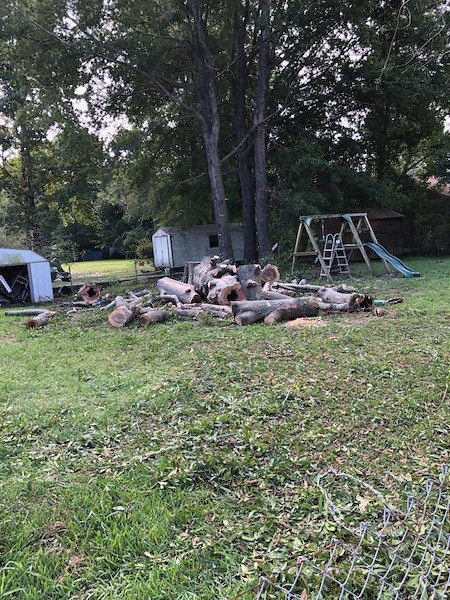
If a tree on your property looks “off,” trust your gut. In Moncks Corner we get soaking rains, sudden wind, and hurricane-season squalls that can turn a weak tree into a real hazard. This guide explains the sure signs to watch for, how local weather speeds up failure, and what to do next so you can protect your home and family. If a tree already seems risky, learn how a professional tree removal service keeps the process safe and controlled.
Clear Warning Signs a Tree Should Be Removed
Trees usually give hints before they fail. Walk the yard after storms and long rain, and look closely from the base to the crown.
- Fresh lean or a lean that keeps increasing, often with raised soil or a lifting root plate on one side
- Deep trunk cracks, large cavities, or bark falling away in sheets
- Dead or hanging limbs over driveways, roofs, or play areas
- Mushrooms or conks at the root flare that suggest hidden decay
- Thinning canopy, sudden dieback, or whole limbs without leaves during the growing season
- Multiple stems with tight “V” unions and included bark where trunks meet
Do not approach a freshly leaning tree. Keep a safe distance and call a pro. If you hear cracking, popping, or see new gaps at the base, the tree may be moving.
What Makes Trees Dangerous Faster in Moncks Corner
Our part of Berkeley County lives with water and wind. Soils can stay saturated after heavy rain, which loosens root grip. Add gusts off Lake Moultrie and afternoon thunderstorms and a stressed tree can change fast. Neighborhoods like Foxbank Plantation, Pimlico, and Pinopolis often have trees near homes and fences, which raises the stakes when defects show up.
- Multi-day rain that leaves the yard soggy, then a blustery front
- Hurricane season from June through November with tropical wind bursts
- Old pruning wounds or root damage from past projects or driveway changes
- Sandy or disturbed fill soils that shift more than native ground
Keep kids and pets inside if you suspect a hazard. Even a healthy-looking tree can hide interior rot when the weather piles on.
How Pros Decide: What a Tree Removal Inspection Looks For
A trained crew evaluates risk from the roots up. They start with the root flare and soil, check the trunk for cavities or seams, then move into the canopy to find deadwood and weak unions. They also consider “targets” below the tree like roofs, cars, sheds, and neighbor fences. When the risk of failure and the value of the target are both high, removal is often the safest option.
Want a deeper walkthrough before you schedule an assessment? Read this practical guide on how to know when a tree must come down and compare what you see at home to a pro’s checklist.
Leaning Tree Near the House: When Concern Becomes Urgent
Some trees lean naturally, but a new lean, especially after rain, is different. Soil that heaves on one side, roots pulling free, or a crack opening on the opposite side means the tree may be rotating at the base. If the lean points toward a high-value target like a roof or playset, risk climbs. In tight Moncks Corner lots, even a medium tree can cause serious damage if it lets go.
When a tree starts leaning and the soil around it changes shape, resist the urge to brace it yourself. Never try to remove a tree yourself with ladders, ropes, or a rented saw. Unpredictable loads and hidden decay make the work far more dangerous than it looks.
Dead Trees and Hidden Decay: Why “Green” Is Not Always Safe
Dead trees are obvious hazards, but a tree can still be green while rotting from the inside. Fungi, carpenter ants, and long vertical cracks often mean there is less sound wood than you think. In oak-lined streets or lots shaded by tall pines, heavy limbs over parking pads and porches deserve extra attention. If you notice big branches breaking during normal weather, the structure is likely compromised.
Storm-Damaged Trees: Immediate Steps That Protect Your Family
If a limb has fallen or the trunk is split after a storm, treat the area as an active work zone. Keep vehicles and people away, snap a few photos for your records, then call a local expert who can coordinate safe removal. If wires are involved, stay clear and contact utilities. When weather is the cause, emergency storm services help stabilize the scene and clear the way for repairs.
Local Factors That Change the Risk Profile
Every yard is different, and local context matters:
Lot size and access. Cul-de-sacs in Foxbank Plantation or narrow drives near Pinopolis can limit equipment placement. That affects the safest method, the order of cuts, and how brush is hauled out. Soil and drainage. Low spots or recently filled areas hold more water, which weakens root grip. Tree species. Water oaks may hide interior decay with age, while pines are more prone to snapping or uprooting in high winds when the ground is saturated.
Because these factors stack up, it helps to talk with a team that works here every day. For a quick overview of services and approach, see the homepage for tree removal in Moncks Corner, SC and how Branching Out Tree Service plans safe access on tight sites.
Myths That Put Homeowners at Risk
“If it has not fallen yet, it can wait.” Bad idea. Weather does not wait, and defects spread. “Cut the heavy side and it will balance out.” That can make the tree more unstable. “It is cheaper to DIY.” Without training and rigging, one wrong cut can damage a roof or injure someone. The safe path is a plan that takes the tree down in small, controlled sections while protecting the yard.
What To Do Next If You See Hazardous Tree Symptoms
Start with a simple checklist: record what you see, note whether the risk points at a target, and consider how fast it changed. Then schedule a professional inspection. The crew will confirm whether pruning could buy time or if removal is the safer choice. When removal is advised, they will map a route that protects lawns and driveways, choose rope paths that avoid gutters and fences, and stage debris for a clean finish.
If the tree is already dropping large limbs or you notice fresh movement at the base, do not wait for the next storm cycle. A planned job today is almost always safer than an urgent call at night. If you want to understand how the work is handled step by step, review the process on the dedicated service page and consider booking a site visit for a clear plan.
How Branching Out Tree Service Keeps Your Property Safe
Our team uses ground protection mats to limit ruts, communicates before the first cut, and keeps the drop zone clean. We also coordinate with neighbors when access crosses a fence line, and we leave the site tidy so you can get back to normal quickly. When a stump needs to go as well, we can plan grinding so the area is ready for new landscaping without delay.
Ready to move from worry to a plan you can trust? Learn how careful pros assess risk and handle tight spaces by visiting our main tree removal page. You will see how controlled cuts, rigging, and cleanup protect what matters most.
Make Your Property Safer Today
If you see a new lean, deep crack, or fungus at the base, do not ignore it. Call Branching Out Tree Service at 843-709-8601 to request an on-site evaluation. If removal is the right call, we will explain the plan in plain language and handle the work with care from the first cut to the last sweep. Prefer to start online? You can also schedule safe tree removal and get your yard back to normal sooner.